
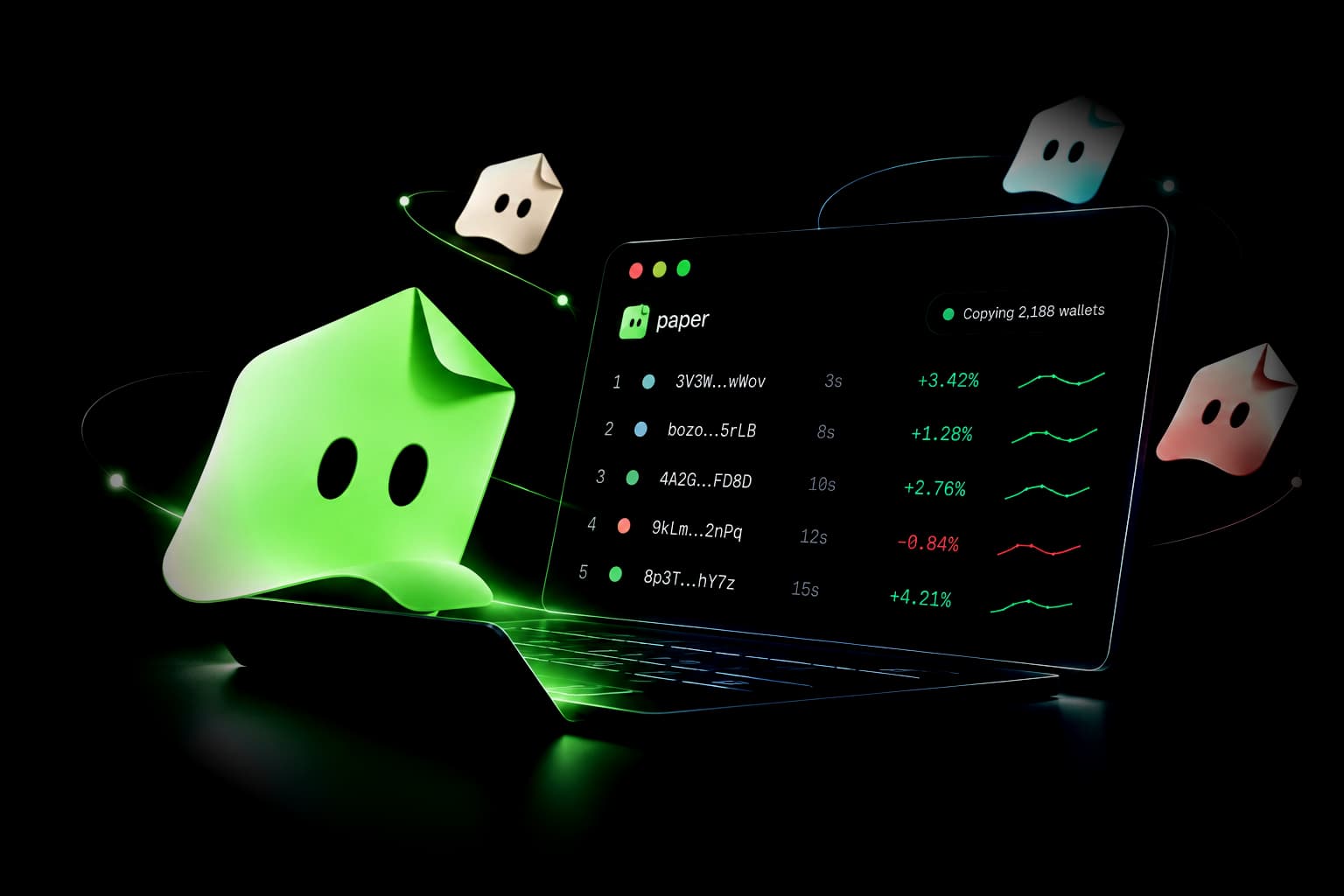
Copy trade any wallet. On paper first.
Follow your favorite wallets with your own ticket and delay, and see what copying them really pays. No wallet, no risk. Live copying is next.
Free with your email · no wallet connection
- EV per trade
- Copies that win
- Copies measured
Most copies lose. A few don't.
The curve is every tracked wallet, copied at your delay. Below it, the ones that held up.
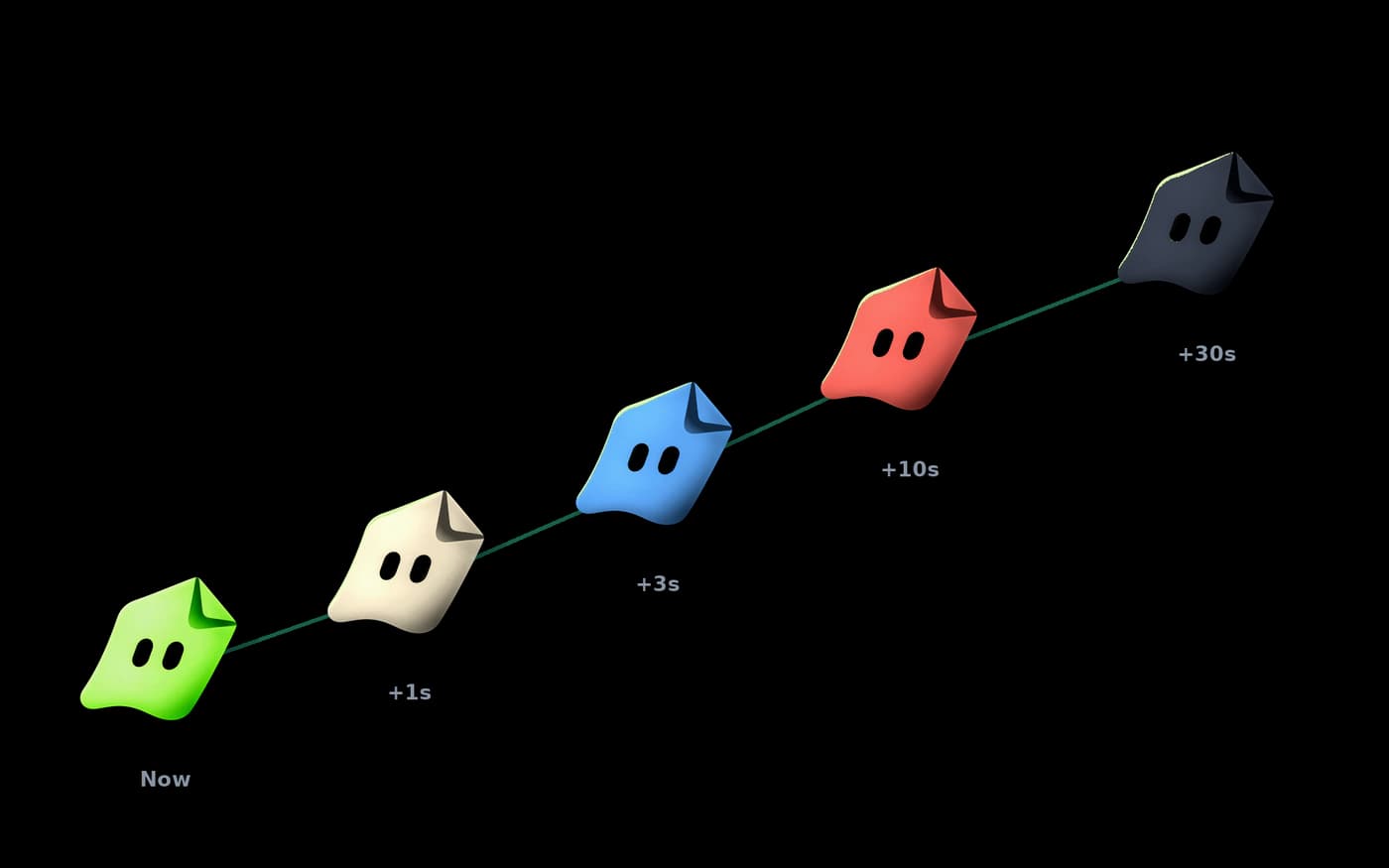
Real trades after your delay, 1% fee and 1–2% slippage per side.
Paper today. Live next.
Build your copy list now. When live copying ships, the same list, tickets and delays go live.
- PnL since you added each wallet
- Small-sample and best-trade warnings
- Telegram alerts
Free for one wallet. Pay in USDC or SOL for more.

Questions
Why do most copies lose?
Good wallets buy right before the price jumps. The jump happens in the first second, so by the time a copy lands it buys higher, and when the wallet sells first the copy sells lower. Add 2–3% in fees and slippage per side and the average copy is underwater. A few wallets hold up anyway, mostly through rare large winners.
Where does the data come from?
usepaper.fun records the tracked wallets' trades on Pump.fun and PumpSwap in real time, plus every trade in the tokens they touch. Copy prices come from those recorded trades, not from candles.
Do I need to connect a wallet?
No. You sign in with your email, and paid plans are a one-time deposit in USDC or SOL that you send from any wallet or exchange. usepaper.fun never asks for your keys and never touches your funds.
How does paying work?
Pick a plan and how many months, send the exact amount shown to the usepaper.fun address on Solana, and the plan switches on as soon as the deposit confirms. No subscription: it ends by itself unless you add time.
What costs are included?
1% fee per side, 2% slippage per side under $100K market cap (1% above), and $0.10 per transaction for priority fees and tips, on a $25 ticket unless you change it.
Is this financial advice?
No. usepaper.fun is a measurement tool. Past copy results, especially on small samples, do not predict future ones.